
Introduction to Minimalism
Defining Minimalism in the Home
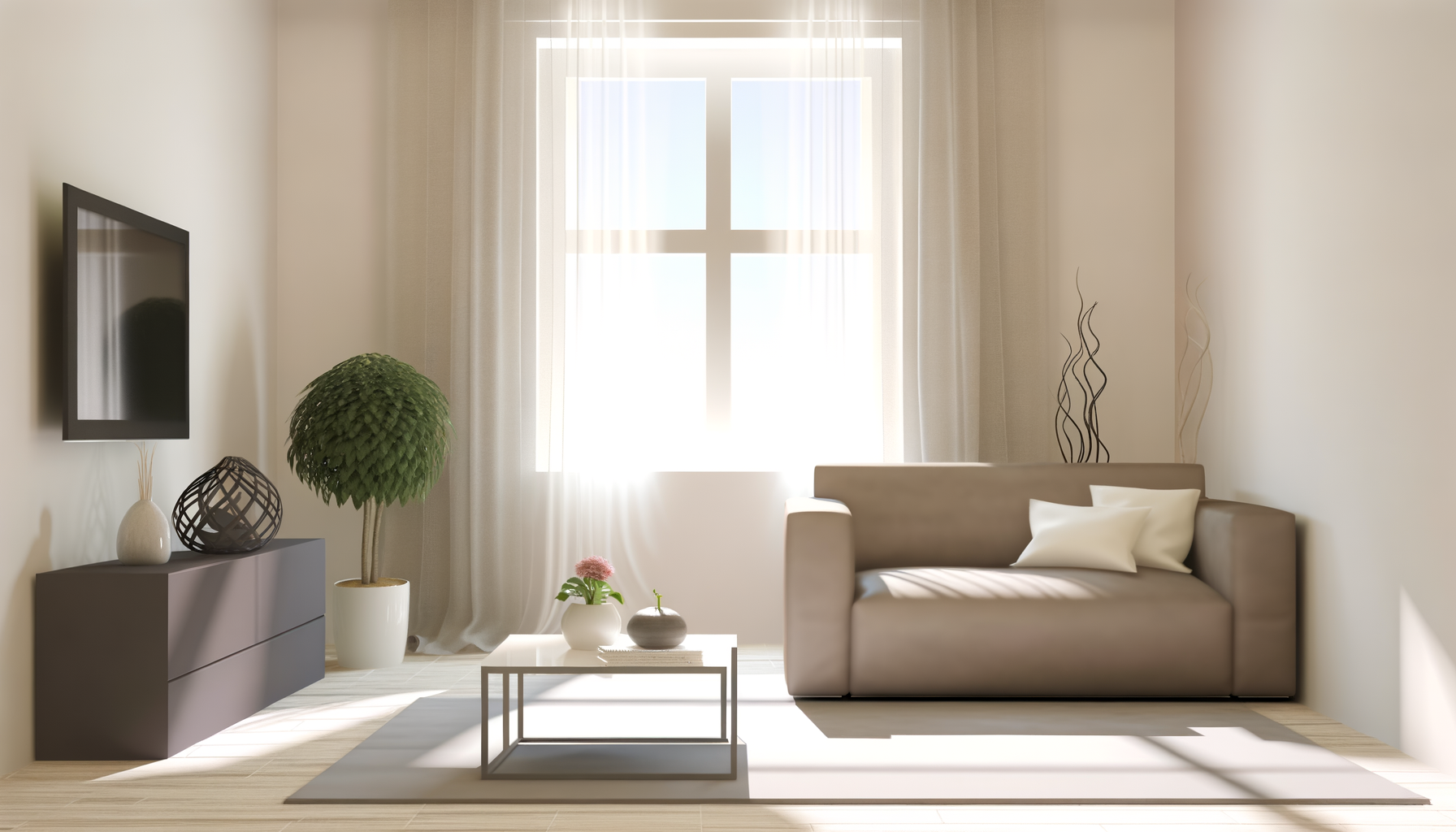
Minimalism in the home is more than an aesthetic; it’s a philosophy that emphasizes living with less to enjoy more of life’s true treasures. It’s about creating a space that reflects what’s truly important, removing the excess that distracts from our values and well-being. A minimalist home is characterized by simplicity, clarity, and a deliberate lack of clutter. It’s not about having empty rooms or stark, white walls—unless that’s your preference—but about making intentional choices about what to keep and what to let go.
The Benefits of a Minimalist Lifestyle
Adopting a minimalist lifestyle can lead to numerous benefits. It can reduce stress by creating a more serene environment, save money by curbing unnecessary purchases, and increase productivity by minimizing distractions. It also promotes environmental sustainability through decreased consumption and waste. Moreover, minimalism can help us focus on our relationships and experiences, rather than on material possessions, fostering a richer, more fulfilling life.
Understanding the Minimalist Mindset
The minimalist mindset is about intentionality. It’s a conscious decision to prioritize quality over quantity, choosing possessions that serve a purpose or bring joy. This mindset isn’t about deprivation; it’s about empowerment and freedom from the all-consuming cycle of consumerism. It’s a commitment to living deliberately, making choices that align with personal values and life goals. Embracing this mindset means recognizing that more stuff doesn’t equate to more happiness—in fact, it often leads to the opposite.
The Impact of Minimalism on Well-being
Minimalism has a profound impact on well-being. A decluttered space can lead to a decluttered mind, allowing for greater mental clarity and peace. The act of letting go of physical items can also be a cathartic process, helping individuals let go of past burdens and focus on the present. Studies have shown that reducing clutter can lower stress levels and improve overall happiness. By embracing minimalism, individuals often find they have more time and energy to invest in their health, relationships, and passions, leading to a more balanced and satisfying life.
The Psychology of Clutter
How Clutter Affects Mental Health
Clutter is not just a physical issue; it’s a mental burden. A cluttered home can lead to a cluttered mind, with each item representing a nagging obligation or a decision waiting to be made. The visual chaos of clutter overstimulates our senses, making it difficult to focus and process information efficiently. It can also impede relaxation, both physically and mentally, as our environments reflect and affect our internal states. The presence of clutter is a constant reminder of unfinished tasks, contributing to feelings of guilt and anxiety, and can even exacerbate symptoms of depression. In essence, the state of our spaces often mirrors and influences the state of our minds.
The Relationship Between Clutter and Stress
Clutter and stress have a cyclical relationship; each feeds into and amplifies the other. The stress of dealing with a cluttered environment can lead to avoidance behaviors, which in turn allows the clutter to grow and the stress to increase. This cycle can be particularly overwhelming, as shown by studies that link high levels of cortisol, a stress hormone, to cluttered living spaces. The act of decluttering can feel daunting, but it’s important to recognize that the stress from clutter is not just about the physical items themselves, but also about the perceived control over one’s environment. Reducing clutter can help reclaim that sense of control, leading to a more serene and less stressful home life.
Making the Decision to Declutter
Deciding to declutter is often the first and most challenging step in the journey towards a minimalist lifestyle. It involves confronting not only the physical possessions that fill our spaces but also the emotions and memories they carry. The decision to declutter requires a commitment to letting go of items that no longer serve us, which can be an emotional process, especially when it comes to possessions with sentimental value. However, the act of decluttering can be incredibly liberating, as it not only frees up physical space but also mental space. By removing the excess, we can focus more on what truly adds value to our lives, leading to a sense of relief and freedom. The key is to start small, with a single drawer or shelf, and to approach the process with patience and self-compassion, understanding that it is not just about discarding things, but about making room for more meaningful experiences and connections.
Principles of Minimalist Living
Quality Over Quantity
Embracing minimalism in your home starts with a fundamental shift in perspective: prioritizing quality over quantity. This principle encourages the selection of items that not only serve a functional purpose but also bring joy and are built to last. By investing in fewer, higher-quality pieces, you not only create a more aesthetically pleasing environment but also reduce the need for frequent replacements, thereby saving resources and reducing waste. This approach to possessions ensures that every item in your home is there for a reason, enhancing both its value and the overall harmony of your space.
The One In, One Out Rule
Another cornerstone of minimalist living is the “One In, One Out Rule”. This self-imposed guideline helps maintain a balanced number of possessions by ensuring that for every new item brought into your home, another is removed. This practice not only curbs the potential for clutter but also promotes thoughtful consumption. Before acquiring something new, consider which existing item it will replace. This rule fosters a continuous cycle of reassessment and refinement of your belongings, keeping your living space clear and your possessions meaningful.
Intentionality in Possessions
Minimalism isn’t just about having fewer things; it’s about having the right things. Intentionality in possessions means every item in your home should serve a purpose or bring you joy. It’s about making deliberate choices and being mindful of the items you allow into your life. This could mean choosing furniture that doubles as storage to reduce the need for additional pieces, or it could mean decorating with a few cherished items that tell your story. Intentionality leads to a more personal and less cluttered living space.
The Art of Letting Go
Perhaps the most challenging yet liberating aspect of minimalist living is mastering the art of letting go. Detaching from material possessions can be difficult, but it is essential for achieving a minimalist home. Letting go involves recognizing when items no longer serve your needs or align with your values and being willing to part with them. This process is not just about physical decluttering but also about emotional and psychological release, creating space for new experiences and a clearer mindset. Whether it’s donating, selling, or recycling, letting go is a powerful step towards a simpler, more focused lifestyle.
In conclusion, the principles of minimalist living are designed to create a sense of peace and clarity in your home. By focusing on quality over quantity, adhering to the one in, one out rule, practicing intentionality, and learning to let go, you can transform your living space into a reflection of your most authentic self. These principles are not just about creating a certain aesthetic but about fostering a way of life that is more conscious, deliberate, and aligned with your personal values.
Practical Steps to Declutter Your Home
Creating a Decluttering Plan
Embarking on the journey to declutter your home begins with a solid plan. Start by setting aside dedicated time for the decluttering process, ensuring you can focus without interruptions. Break down your plan into manageable sections, such as by room or by category of items. Set specific goals for each session, whether it’s to clear a closet or to sort through a pile of paperwork. Remember, the key to a successful decluttering plan is to be realistic and patient with the process.
Room-by-Room Decluttering Strategies
Approach decluttering on a room-by-room basis to avoid feeling overwhelmed. In each room, start with the most cluttered area and work your way to the least. Use boxes or bins to sort items as you go, and don’t hesitate to rearrange furniture if it helps open up the space. For shared spaces, involve family members or housemates in the decision-making process to ensure everyone’s needs are considered.
Sorting Items: Keep, Donate, Discard
As you sift through your belongings, categorize them into three groups: keep, donate, and discard. Keep items that are essential, bring joy, or serve a specific purpose. Donate items that are in good condition but no longer needed; this not only benefits others but also promotes a culture of reuse. Discard items that are broken, expired, or no longer usable. Be decisive and honest with yourself during this process to ensure that only the most meaningful items remain.
Organizing What Remains
Once you’ve decluttered, it’s time to organize the items you’ve chosen to keep. Invest in quality storage solutions that complement your living space and lifestyle. Use clear containers for items you need to access regularly and label everything for easy identification. Keep surfaces clear and maintain a designated spot for everything to prevent future clutter. Emphasize the use of vertical space with shelves and hooks to maximize your living area. Lastly, adopt a minimalist approach to decor, allowing the newfound openness of your space to provide a sense of calm and order.
Maximizing Space with Minimalist Techniques
Functional Furniture Choices
One of the cornerstones of minimalist home design is selecting furniture that is as functional as it is aesthetically pleasing. Opt for pieces that serve multiple purposes, such as a bed with built-in storage drawers or a dining table that can be extended when hosting guests. The key is to choose furniture that maximizes utility without occupying unnecessary space. Look for clean lines and simple forms that contribute to a sense of calm and order in your home.
Innovative Storage Solutions
Minimalism isn’t about having less; it’s about making the most of your space. Innovative storage solutions are essential to keep your belongings organized while maintaining a clutter-free environment. Consider wall-mounted shelves, hidden compartments, and furniture with secret storage to keep your items accessible yet out of sight. Use vertical space wisely with tall bookcases or cabinets that draw the eye upward, making rooms feel larger than they are.
Maintaining Clear Surfaces
Clear surfaces are synonymous with minimalist interiors. They not only create a more spacious and open feel but also promote a sense of tranquility. To maintain clear surfaces, adopt a strict “less is more” approach. Display only a few carefully selected items on countertops and tables, and ensure everything else has a designated storage area. This practice not only enhances the minimalist aesthetic but also makes cleaning and maintaining your home much easier.
The Role of Color and Texture
Color and texture play a significant role in minimalist design, helping to add warmth and depth to a space without causing visual clutter. Neutral color palettes, such as whites, beiges, and grays, are popular in minimalist homes because they create a serene backdrop that makes the room feel more expansive. When it comes to texture, incorporate a variety of materials like wood, metal, and textiles to add interest and comfort to the room. Remember, the goal is to strike a balance between simplicity and richness, ensuring that the space feels lived-in and welcoming.
In conclusion, embracing minimalism in your home is about making intentional choices that align with the principles of simplicity and functionality. By selecting the right furniture, employing innovative storage solutions, maintaining clear surfaces, and thoughtfully incorporating color and texture, you can transform your home into a minimalist haven that feels both spacious and inviting.
Maintaining a Minimalist Home
Daily Routines for a Tidy Home
Maintaining a minimalist home requires the establishment of daily routines that promote tidiness and order. A consistent approach to cleaning and organizing can prevent the accumulation of clutter and ensure that your living space remains serene and manageable. Consider implementing a morning or evening routine that includes a quick sweep of each room, returning items to their designated places, and addressing any out-of-place objects immediately. This habit not only maintains the minimalist aesthetic but also reinforces the intentional living that is central to a minimalist lifestyle.
The Five-Minute Rule
A powerful technique in the minimalist toolkit is the Five-Minute Rule. This simple yet effective rule suggests that if a task can be completed in five minutes or less, do it immediately. This could include washing a few dishes, hanging up clothes, or wiping down surfaces. By adhering to this rule, you prevent small tasks from piling up into overwhelming chores, thus maintaining a clutter-free and inviting home environment.
Regular Reviews of Possessions
Minimalism is not a one-time event but an ongoing process. Regularly reviewing your possessions is crucial to prevent the slow creep of clutter back into your home. Set aside time each month or season to go through your belongings and decide what still serves a purpose or brings joy. This practice, often referred to as “decluttering sessions,” helps to keep your space aligned with your minimalist values and ensures that every item in your home is there for a reason.
Mindful Shopping Habits
One of the cornerstones of maintaining a minimalist home is developing mindful shopping habits. Before making a purchase, ask yourself if the item is necessary, if it fits with your current possessions, and if it will add value to your life. Embrace the principle of “quality over quantity” by choosing items that are durable and long-lasting over disposable or trendy ones. This approach not only reduces the influx of new items into your home but also supports a more sustainable and eco-conscious lifestyle.
By incorporating these practices into your daily life, you can ensure that your home remains a minimalist haven. Remember, minimalism is about more than just the absence of clutter—it’s about creating a space that reflects your values and supports your well-being.
Embracing Minimalism as a Continuous Journey
The Evolving Nature of Minimalism
Minimalism is not a static concept; it is an evolving journey that adapts to our changing lives and priorities. As we grow and our circumstances shift, so too does our approach to minimalism. What began as a quest to declutter and simplify may transform into a deeper understanding of our consumption patterns and their impact on the environment. Embracing minimalism is about being open to this evolution, allowing our minimalist practices to mature and expand beyond the physical space into all facets of our lives.
Overcoming Challenges and Setbacks
Adopting a minimalist lifestyle is not without its challenges. We may face resistance from a society that equates success with possessions, or from our own ingrained habits of acquisition. Setbacks are a natural part of the journey. Whether it’s a relapse into old shopping habits or difficulty parting with sentimental items, it’s important to recognize these moments as opportunities for growth. By reflecting on these challenges and reaffirming our commitment to simplicity, we can strengthen our minimalist resolve.
Celebrating Milestones and Successes
As we progress on our minimalist journey, it’s crucial to acknowledge and celebrate our milestones. Whether it’s successfully clearing out a cluttered room, reducing our environmental footprint, or experiencing a newfound sense of freedom, these successes are affirmations of our efforts. Celebrating these achievements, big or small, reinforces the positive impact minimalism has on our lives and encourages us to continue.
Inspiring Others Through Your Journey
Our minimalist journey has the power to inspire others. By sharing our experiences, challenges, and successes, we can encourage friends, family, and even strangers to consider the benefits of a simpler life. Through leading by example, we can demonstrate that minimalism is not about deprivation, but rather about enriching our lives by focusing on what truly matters. As we inspire others, we build a community of like-minded individuals who support and motivate each other to live intentionally and sustainably.
In conclusion, embracing minimalism is a continuous journey that requires patience, perseverance, and a willingness to adapt. It’s about understanding that the path to simplicity is personal and unique to each individual. By overcoming challenges, celebrating successes, and inspiring others, we can fully integrate minimalism into our lives and experience the profound sense of contentment and purpose it brings.